Herbs for Pain Relief and Inflammation: The Complete Guide
- Posted On: July 8, 2026
- Posted By: admin
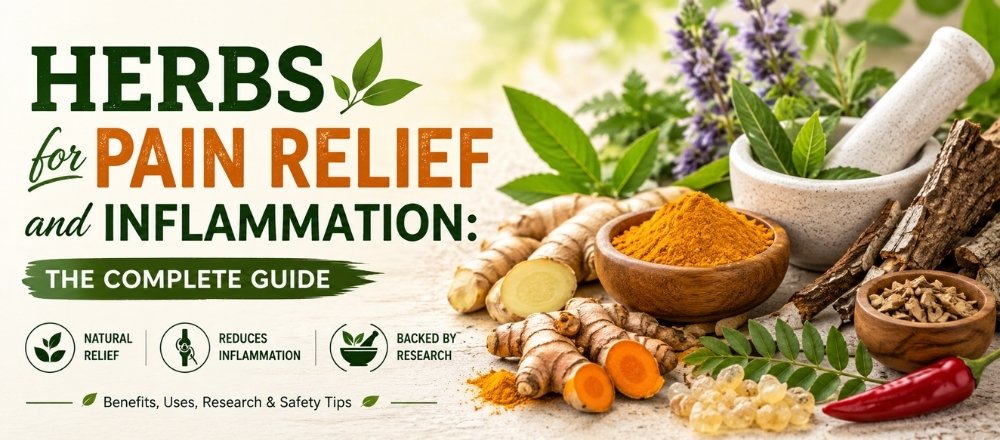
Long before pain relief came in a pill bottle, it came from a garden, a kitchen spice rack, or a riverside willow tree. Many of today’s most common pain medications were, in fact, first isolated from plants—aspirin’s active compound traces directly back to willow bark.
That history is part of why herbal pain relief keeps earning renewed scientific interest: it isn’t an alternative to medicine so much as an earlier chapter of it.
This guide covers the herbs with the most consistent evidence behind them, how each one is typically used, and—just as importantly—the safety considerations that often get skipped in many “top 10 herbs” articles.
How Herbs Help With Pain and Inflammation
Most pain-relieving herbs work through one or more overlapping mechanisms:
- Reducing inflammatory chemicals produced by the body.
- Calming overactive nerve signaling.
- Providing a mild warming or numbing sensation that competes with pain signals.
Understanding which mechanism you’re targeting helps match the right herb to the right type of pain. An inflamed joint and an irritated nerve don’t respond the same way to the same remedy.
Top Herbs for Pain Relief
| Herb | Best For | How It’s Typically Used | Key Caution |
|---|---|---|---|
| Turmeric (Curcumin) | Joint pain, general inflammation | Capsules, powder in food, or golden milk | May interact with blood-thinning medications. |
| Willow Bark | Headaches, lower back pain | Tea, capsules, or tincture | Avoid if allergic to aspirin or salicylates. |
| Ginger | Muscle soreness, menstrual pain | Fresh tea, capsules, or meals | High doses may increase bleeding risk. |
| Capsaicin (Topical) | Localized nerve and joint pain | Cream or patch applied directly to the skin | Can cause temporary burning; avoid broken skin. |
| Devil’s Claw | Arthritis-related joint pain | Tea or capsules | May interact with certain heart medications. |
| Boswellia (Frankincense) | Joint inflammation and osteoarthritis | Capsules or topical extract | May cause mild digestive discomfort. |
What the Research Generally Shows
Clinical research on herbal pain relief is strongest for turmeric (curcumin) and willow bark. Multiple published studies involving people with osteoarthritis and lower back pain have demonstrated meaningful—although generally moderate—improvements in pain and mobility.
Evidence supporting ginger and Boswellia is also promising, though based on fewer large-scale clinical trials. Meanwhile, topical capsaicin has been used for decades in over-the-counter pain relief products, making it an established therapy rather than a fringe alternative.
Like all dietary supplements, research quality varies. Discuss your specific condition with a physician or pharmacist before beginning any herbal supplement regimen.
Herb-Drug Interactions to Know Before You Start
Safety should always come first. Before trying any herbal remedy, consider these important interactions:
- Blood thinners (Warfarin, Aspirin): Turmeric, ginger, and willow bark may increase bleeding risk when taken alongside anticoagulant medications.
- Diabetes medications: Some anti-inflammatory herbs may mildly lower blood sugar, potentially enhancing the effects of diabetes medicines.
- Pregnancy and breastfeeding: Many herbal supplements have not been adequately studied during pregnancy or nursing. Always consult your healthcare provider before use.
- Upcoming surgery: Herbs affecting blood clotting are generally discontinued one to two weeks before scheduled surgery.
How to Choose the Right Herb for Your Pain Type
- Joint or arthritis pain: Turmeric or Boswellia are commonly recommended starting points.
- Nerve pain (such as sciatica): Topical capsaicin may provide localized relief when combined with movement-based therapy.
- Muscle soreness or menstrual cramps: Ginger tea or fresh ginger in meals offers a gentle first option.
- Headaches or lower back pain: Willow bark has one of the longest histories of traditional use.
Frequently Asked Questions
Are herbal pain relievers as effective as over-the-counter medication?
For mild to moderate pain, several herbs—particularly turmeric and willow bark—have demonstrated meaningful benefits in clinical research. However, they generally work more gradually and are usually less potent than pharmaceutical pain relievers. They are often most effective when used as part of a comprehensive pain-management strategy rather than as direct replacements for medication.
How long does it take to feel results from herbal pain relief?
Most internally consumed herbs, including turmeric, ginger, and willow bark, require one to four weeks of consistent use before noticeable improvements occur because they reduce inflammation over time rather than immediately blocking pain signals. Topical capsaicin products may begin working within several days.
Can I combine multiple herbs for pain relief?
Certain combinations, such as turmeric and ginger, are commonly used together. However, combining multiple herbs that affect blood clotting can increase bleeding risk without necessarily improving pain relief. Consult a healthcare professional before combining herbal supplements.
Medical Disclaimer
This article is intended for informational and educational purposes only and should not be considered a substitute for professional medical advice, diagnosis, or treatment. Always consult a licensed physician or qualified healthcare provider before starting any herbal supplement, exercise program, or pain-management regimen—especially if you are pregnant, breastfeeding, taking prescription medications, or managing a chronic medical condition.