Turmeric for Pain Control: Benefits, Dosage & What the Science Says
- Posted On: July 9, 2026
- Posted By: admin
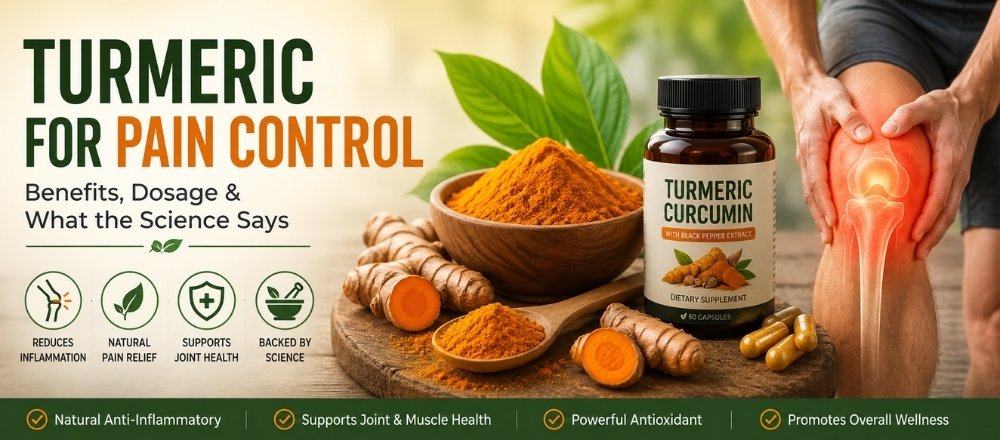
Turmeric for Pain Control has gone from a spice rack staple to one of the most researched natural anti-inflammatory remedies on the market — and unlike many trending supplements, it actually has a reasonable amount of clinical evidence behind it. If you’re considering turmeric for pain control, joint pain, arthritis, or general inflammation, here’s what’s actually backed by research, how to take it, and what to watch out for.
What Makes Turmeric Work: Curcumin
Turmeric for Pain Control works primarily because of curcumin, the active compound responsible for turmeric’s bright yellow color. Curcumin appears to reduce the activity of several inflammatory pathways in the body — similar in concept, though not in strength, to how some over-the-counter anti-inflammatory medications work. This is why turmeric shows up most often in research on joint pain and osteoarthritis, where chronic low-grade inflammation is a central driver of symptoms.
What the Research Shows
Multiple clinical trials in people with knee osteoarthritis have found curcumin supplementation associated with meaningful reductions in pain scores over several weeks, in some cases performing comparably to standard anti-inflammatory medication for that population — though study quality and dosing vary considerably, and results aren’t universal. Evidence for other pain types, such as muscle soreness after exercise, is more preliminary but generally points in a similarly positive direction.
Research suggests that Turmeric for Pain Control may be beneficial for people experiencing osteoarthritis and chronic inflammatory joint pain. While findings are encouraging, larger and longer-term studies are still needed to determine the most effective dosage and formulations.
Turmeric Dosage: What’s Commonly Used
Raw turmeric powder contains only a small percentage of curcumin by weight, which is why most research uses standardized curcumin extracts rather than turmeric powder alone. Commonly studied ranges in clinical trials fall between 500 mg and 1,000 mg of curcumin extract per day, often split into two doses. Because curcumin is poorly absorbed on its own, many supplements pair it with black pepper extract (piperine) or a fat source, both of which meaningfully improve absorption.
Choosing the correct dosage is important when using Turmeric for Pain Control, especially if you are taking prescription medications.
This is general information about how turmeric has been studied — not a personal dosage recommendation. The right amount for you depends on your health history and any medications you’re taking, which is a conversation for your doctor or pharmacist.
How to Take Turmeric for Pain
- Standardized capsule/extract: the most reliable way to get a consistent, research-aligned curcumin dose.
- Golden milk or turmeric tea: a gentler daily habit, though the curcumin dose is lower and less consistent than a standardized extract.
- Cooking with turmeric powder: contributes to overall intake but isn’t a substitute for a therapeutic dose if you’re targeting a specific pain condition.
- Topical turmeric: less researched than oral use for pain specifically, though it’s sometimes used for localized skin inflammation.
Who Should Be Cautious With Turmeric
- People on blood thinners (warfarin, clopidogrel) — curcumin can add to bleeding risk.
- Anyone with gallstones or bile duct issues — turmeric stimulates bile production.
- Those scheduled for surgery — typically paused one to two weeks beforehand.
- Pregnant or breastfeeding individuals — supplement-strength doses haven’t been sufficiently studied in this group.
Frequently Asked Questions
How long does it take for turmeric to reduce pain?
Most clinical trials measuring turmeric’s effect on joint pain assess results after four to eight weeks of consistent daily use — it’s not designed for immediate, single-dose relief the way an over-the-counter painkiller is.
Is turmeric powder from the grocery store enough, or do I need a supplement?
Culinary turmeric powder contains a relatively low percentage of curcumin, so while it contributes to overall anti-inflammatory intake, most research-backed effects come from standardized curcumin extracts at higher, measured doses.
Can turmeric replace my arthritis medication?
No — turmeric should be discussed with your doctor as a potential complement to your existing treatment plan, not a replacement, particularly if you’re on prescribed medication for a diagnosed condition.
Is Turmeric for Pain Control Worth Trying?
Turmeric for Pain Control may be a helpful natural option for reducing inflammation and supporting joint health when used consistently. While research is encouraging, it should complement—not replace—professional medical treatment. Always speak with your healthcare provider before starting any supplement, especially if you have existing medical conditions or take prescription medications.
Medical Disclaimer
This article is for informational and educational purposes only and is not a substitute for professional medical advice, diagnosis, or treatment. Always consult a licensed physician before starting any herbal supplement, exercise program, or pain-management regimen — especially if you are pregnant, nursing, on prescription medication, or managing a chronic health condition.